
Anyone can track a ride. Loam Logger tracks your bike.
You already record every ride. Loam Logger takes the hours from those rides, puts them on the fork, the shock, the pads, the chain, whatever's on the bike, and tells you which ones are due.
Free for one bike, with no card and no trial clock. Web and iOS.
Do you actually know how many hours are on your lowers?
Most of us don't. The usual system is lowers in spring and fall, damper once a year if you remember, and a vague feeling that the shock is probably due. It holds up fine until a busy month of riding puts 60 hours on a fork you thought had 20.
Dampers don't warn you either. They feel normal right up until the oil has already chewed on the internals, and they let go the weekend before the trip. Lowers are roughly thirty bucks in oil and seals and an hour in the garage. A cooked damper is a couple hundred and a week without the bike.
Loam Logger keeps the count. Open it and you see what's due, on which bike, before you load the truck.
How it counts hours
You don't type anything in after a ride. The ride file you already save is the input.
- 1
Connect what you already record with
Garmin Connect™, Strava or WHOOP. Suunto is in progress. Rides show up a few minutes after you save them, and your back catalog imports a year at a time so a bike you’ve had since 2023 starts with the right hours on it. If the same ride lands from two platforms, it’s counted once.
- 2
Tell it what’s on the bike
Fork, shock, dropper, pads, rotors, chain, cassette, pivot bearings, hubs, headset. Pull the stock build from 99spokes and swap in whatever you’ve changed. Each ride’s duration goes onto every part that was installed at the time. Spares sit on the shelf with their hours intact, so a fork that moves between two bikes keeps its count.
- 3
Set your own intervals
An hour of fire road climbing and an hour of park laps are not the same hour. Fox says one number, RockShox says another, your suspension guy says less than both. The intervals are yours to set per part. Run lowers at 50 on the park bike and 100 on the XC bike if that’s how they actually wear.
- 4
Log the service when you do it
Did the lowers Saturday? Log it. The clock resets and the entry stays: date, hours at service, what you replaced. Three years on you have the full history of the bike, and when you sell it the buyer gets the receipts instead of “it’s been looked after”.
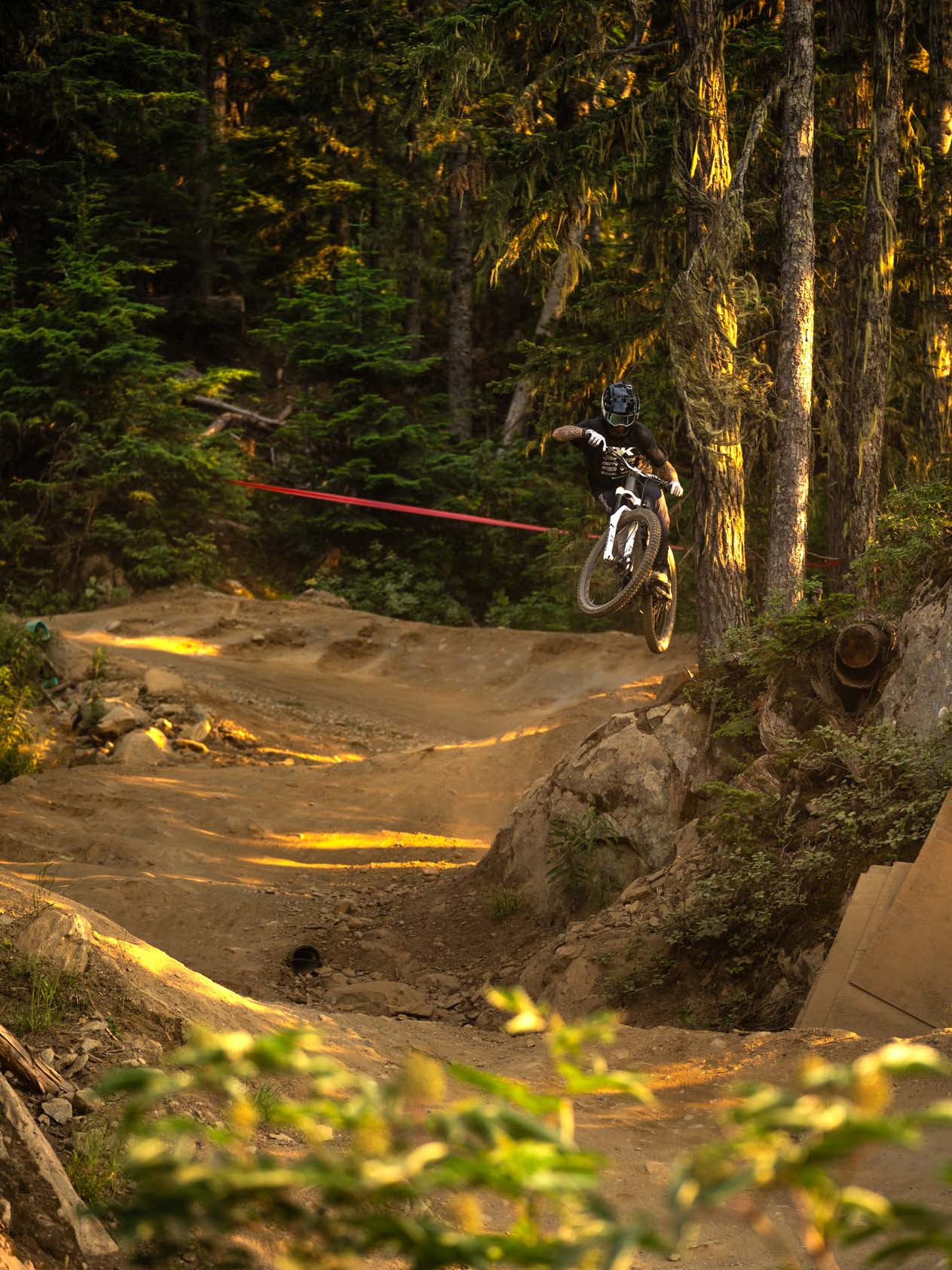
Fewer mechanicals.
More good rides.
The same amount of wrenching, with less of it done on the side of the trail.
Straight answers
What people ask when one of these gets posted.
- Does it know when my chain is worn?
- No. It knows the hours on it. A chain checker knows if it’s worn, and your eyes know if the pads are done. Hours tell you when to go look, which is the part people skip.
- What counts as an hour?
- Whatever your ride file says the ride lasted. If you record a park day as one activity, that’s a long day on the fork, which is probably fair. If you only record the descents, set shorter intervals.
- Do I have to use Strava?
- No. Garmin Connect™ and WHOOP work on their own, Suunto is coming. You do need to record rides somewhere. The hours have to come from a ride file; there’s no magic.
- Is it going to nag me?
- Free has no alerts at all. You open it, you look. Pro adds a service-due alert and one weekly check across your bikes, and both can be turned off.
- What does Free actually leave out?
- The early warning. Free shows the hours on every part against its interval and flags it once it’s past due. Pro flags it while it’s still due soon, with an estimate of the rides left, so the seal kit is on the bench before the fork needs it. Pro also lifts the one-bike limit.
- Is this another subscription?
- Free covers one bike: every part, ride sync, the service log, and a flag when something is past its interval. Not a trial, nothing expires. Pro is $39.99 a year if you run a quiver and want the due-soon heads-up and the alerts. One person builds this, and that’s what keeps the server on.
- There are other trackers. Why this one?
- Most hang off one platform. This one takes rides from Garmin Connect™, Strava or WHOOP, whichever you already use, and it does more with them than add up hours: rides left until each part is due, weather on every ride, hours per part across every bike you own. The history isn’t locked in either. Every install and service exports to a PDF, which is what a buyer actually wants to see when you sell.
- E-bike?
- Motor and battery get hours like any other part. They don’t get a service state, because ride time says nothing useful about motor assist or battery cycles and we’re not going to pretend it does.
Pulls rides from whatever you already record on. Connect once and forget it.
- Garmin Connect™
- Strava
- WHOOP
- Suunto in progress
Free for one bike, for good.
It isn't a trial and nothing expires. Add your main bike, connect the platform you already record with, and it keeps counting for as long as you ride it.
Pro is for the quiver: unlimited bikes, a due-soon heads-up with the rides left on each part, service alerts and a weekly check, weather on every ride, PDF export. $39.99 a year, less than one fork service. Details on the pricing page.
- All 23+ component types, with the hours on each part counted against the interval you set
- Automatic ride sync from Garmin Connect™, Strava or WHOOP
- A flag the moment a part is past its interval
- A service log with dates and hours, kept for the life of the part
- Bike specs imported from 99spokes

Drop in knowing your bike's dialed.
Connect a platform, add the bike, and the next ride starts the count.